Bespoke Design
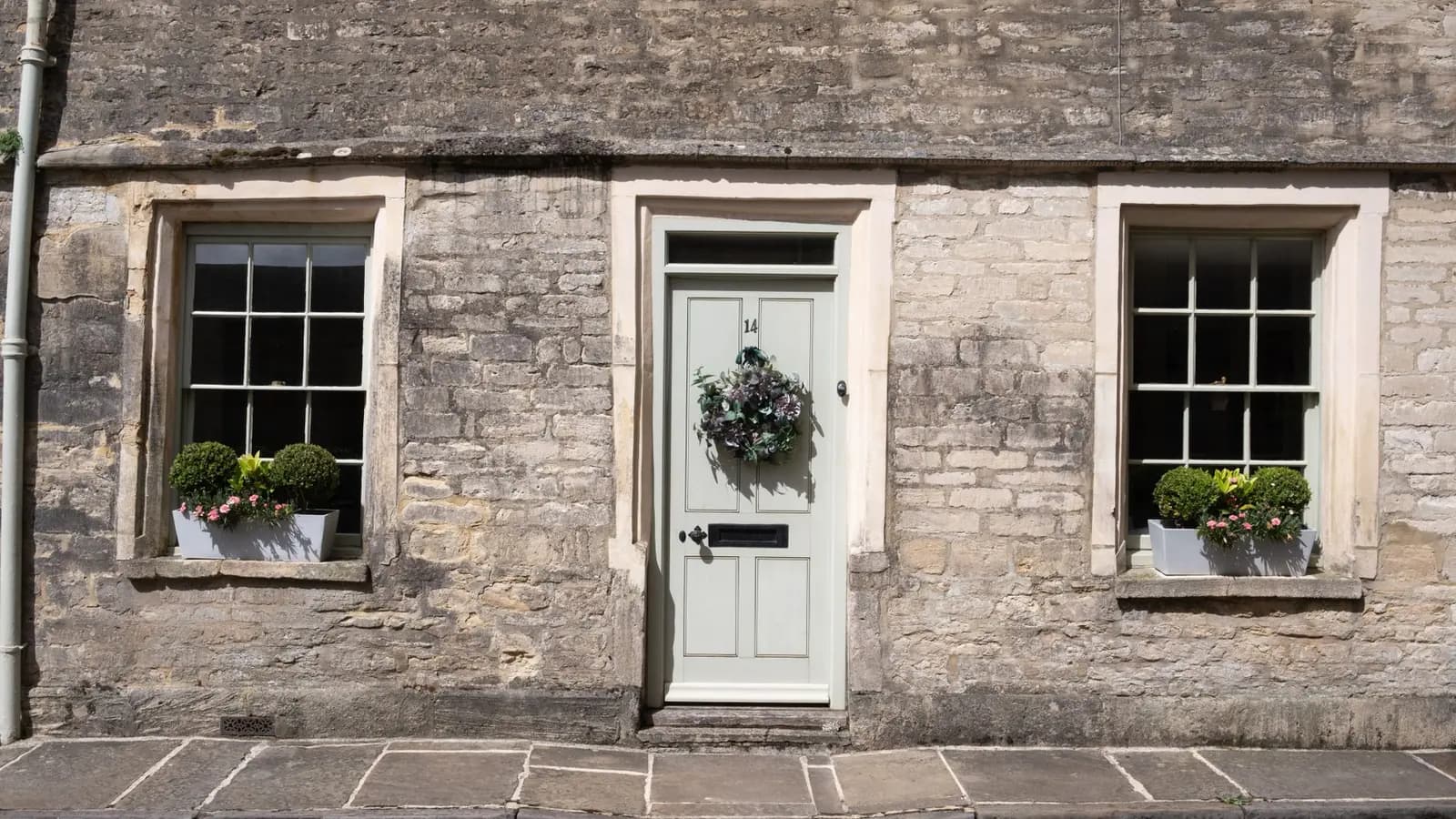
How do you make a front entrance look as good as the house?
Height, weight and permanence: clipped evergreens such as yew, box or bay in substantial containers, matched to the scale and the light of the doorway.
Read moreCare and Maintenance
By Artisan PlantersPublished 6 min read
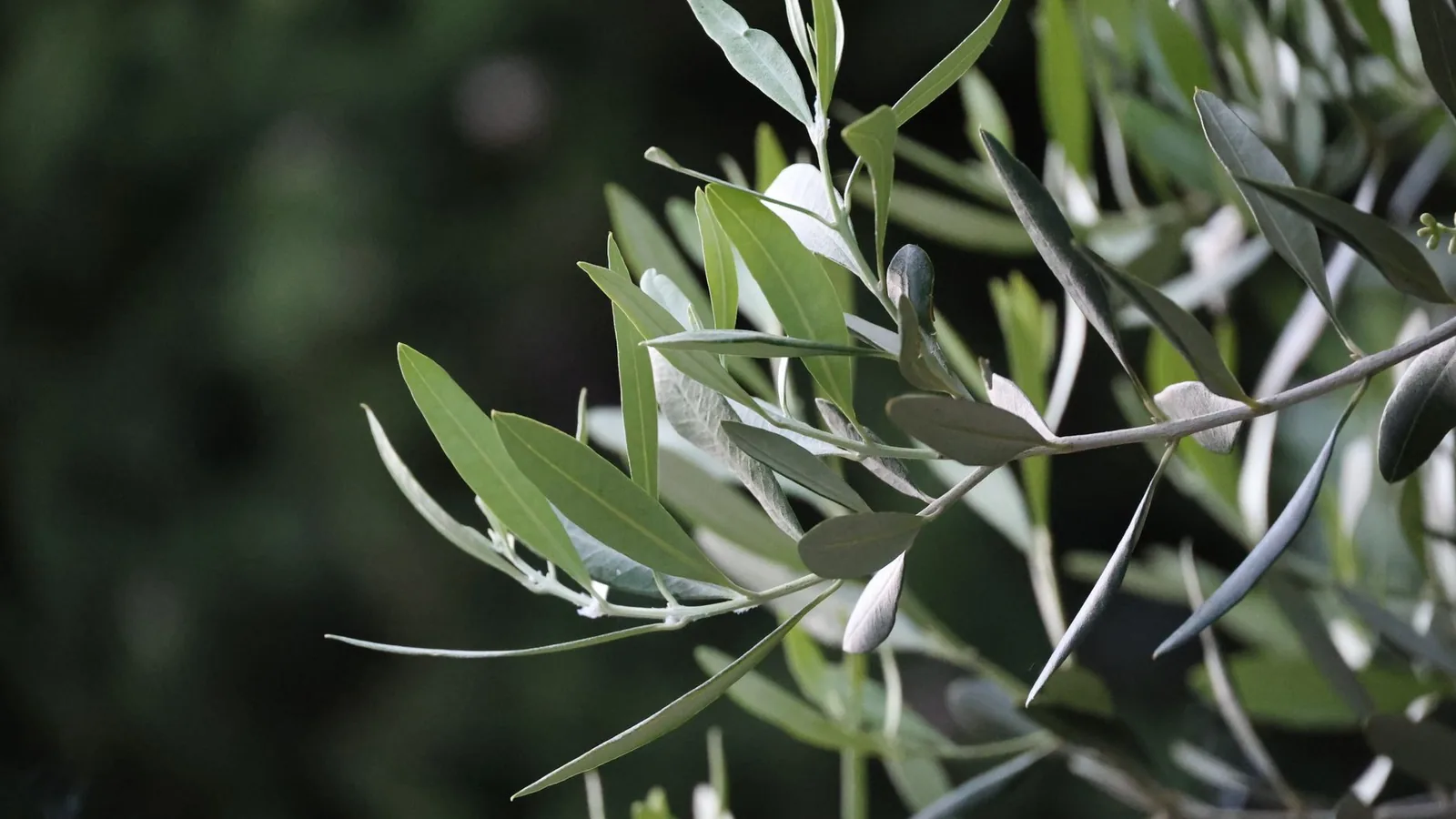
The olive is the tree most people picture when they think of a Mediterranean courtyard: silver leaves, a gnarled trunk, warm stone. It is also a tree that grows well in English gardens, in the right conditions. The doubt comes every September, when the evenings shorten and an owner looks at a specimen that has spent the summer on a sunny terrace and wonders what the coming months will do to it.
A well sited olive in a pot has a good chance of coming through, but nobody can promise it. Hardiness depends on the tree, the setting, the winter and the care it receives. What can be done is to give it the conditions the RHS describes, and to have a plan for the coldest nights before they arrive.
The RHS guide to growing olives says many olives are hardy through most of the UK, tolerating temperatures of -5 to -10°C. It adds a clear caution: leaves and branches can still be damaged by severe frosts, and it notes that winter protection is required in colder parts of the UK. The RHS defines a severe frost as one with a temperature below -5°C (23°F).
Its olive growing guide makes the same point more briefly. Many olives are hardy, but branches can still be damaged by severe frosts, so pot grown trees should be stored somewhere frost free or have their branches covered with horticultural fleece.
A tree in the ground has a mass of soil around its roots. A tree in a container does not, and its roots sit closer to the cold. The RHS guide to trees in containers explains that in exposed gardens, roots growing near the edges of a container are vulnerable to freezing temperatures, and suggests wrapping the container in bubble wrap or hessian held with twine.
Containers also bring an advantage. The same guide describes tender trees such as olives as ideal in pots because they can be moved into a frost free place over winter, which the RHS defines as somewhere with a night time minimum of 4°C (39°F), such as a cool greenhouse or conservatory. For a large specimen that cannot be moved easily, wrapping and siting do that work instead.
The Met Office places the autumn equinox around 22 or 23 September, and this is a natural point to change how a potted olive is looked after.
| When | What the RHS advises | Why it matters |
|---|---|---|
| From late September | Container olives need regular watering from April to late September; over winter keep the compost barely moist | The RHS names overwatering as the most common cause of loss of container plants |
| Now | Raise pots off the ground on pot feet or bricks | Lets excess water drain away |
| Before hard frost | Choose a sheltered position away from cold winds | Cold wind damages foliage as well as frost |
| Severe frost forecast | Wrap the canopy in a couple of layers of fleece or hessian, and wrap the container | Protects branches and roots on the coldest nights |
| Milder spells | Remove the wrapping, and replace it when severe frost returns | Wrapping is for severe frost, not the whole winter |
Pruning is already behind us for the year. The RHS advises against pruning olives later than August, because new growth will not have time to harden before the risk of frost.
The RHS guide to container maintenance names overwatering as the most common cause of loss of container plants. The first is overwatering. A summer routine carried into November leaves compost cold and saturated, which is exactly what the RHS advice on keeping it barely moist is meant to avoid. Leaving a pot flat on paving, where water collects underneath, makes it worse.
The second is wrapping too early and leaving it on too long. The RHS describes wrapping for very cold winters and severe frosts, and removing it in milder weather. The third is siting. An olive placed in a cold, windy corner because it suited the design in summer is more exposed to the cold winds the RHS advises keeping olives away from.
The RHS recommends a thick, frost proof container, at least 30 to 35cm in width and depth or large enough to hold the roots easily, with plenty of drainage holes. It suggests a peat free, soil based compost such as John Innes No. 3 with about 20 per cent horticultural grit by volume to improve drainage. The RHS guide to trees in containers adds that frost proof terracotta is heavy, which steadies a tree in windy weather, though the same weight makes the pot harder to move under cover.
If the garden sits in a frost pocket or faces into a cold prevailing wind with no shelter, an olive may struggle whatever is done for it. In that setting a clipped yew or a dwarf pine, both on the RHS list of trees for containers, will give the garden structure without the winter worry. If there is nowhere frost free to move a smaller tree and no one to wrap a larger one on cold nights, it is worth thinking again before committing.
Look at where the olive stands now and ask how that spot feels on a cold, windy January evening rather than a September afternoon. Lift the pot onto feet, ease back the watering, and keep fleece somewhere easy to reach. The gallery shows olives in their settings.
The studio gardens are in Linby, Nottinghamshire. Appointment only, by design. You can write to us through the enquiry page to talk about an olive for your garden.
If something here has prompted a question about your own space, we would welcome the conversation.
Bespoke Design
Height, weight and permanence: clipped evergreens such as yew, box or bay in substantial containers, matched to the scale and the light of the doorway.
Read more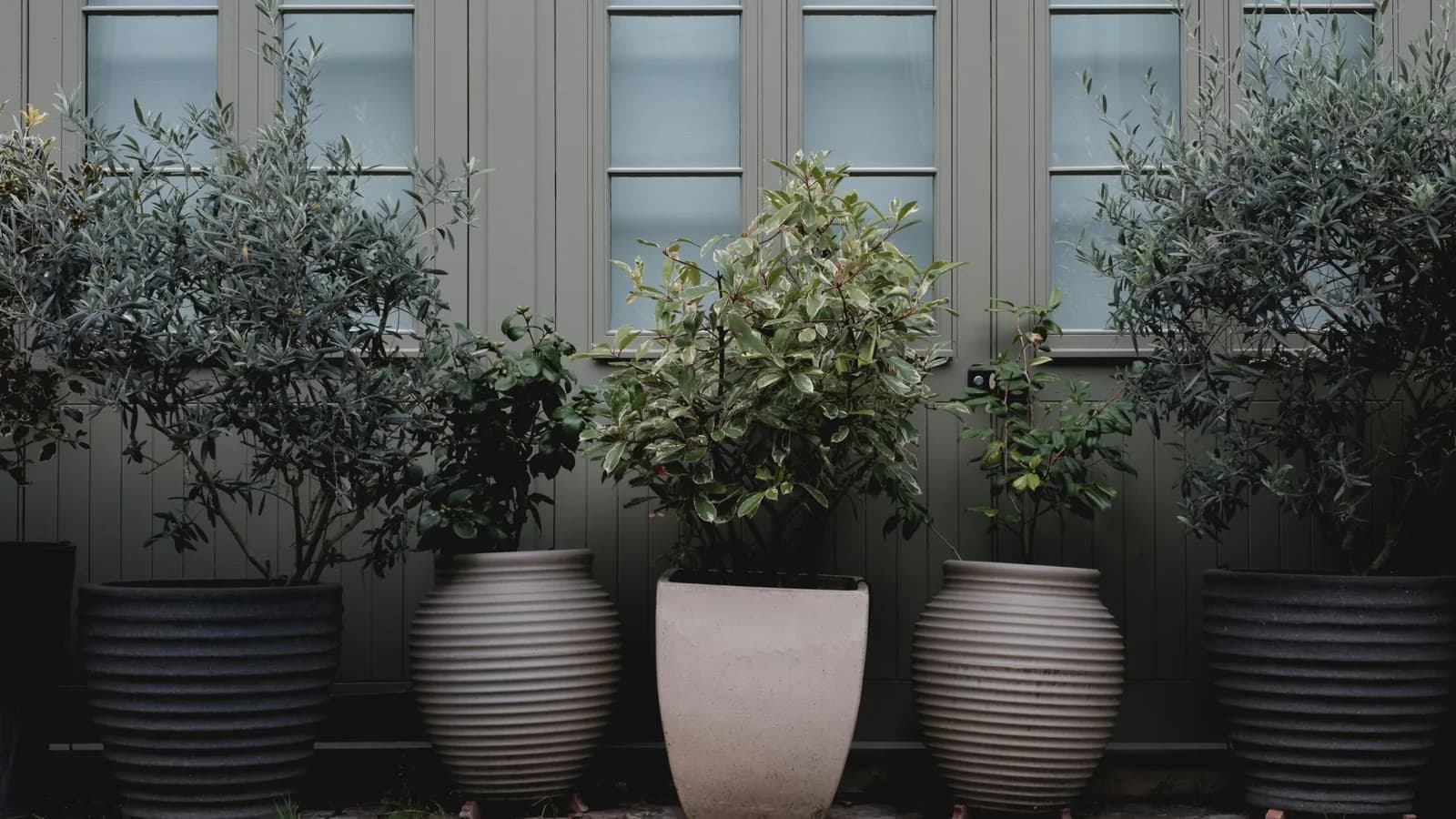
Planting and Compositions
A terrace looks unfinished when everything sits low. A specimen tree in a substantial container adds the height and structure that paving alone cannot give.
Read more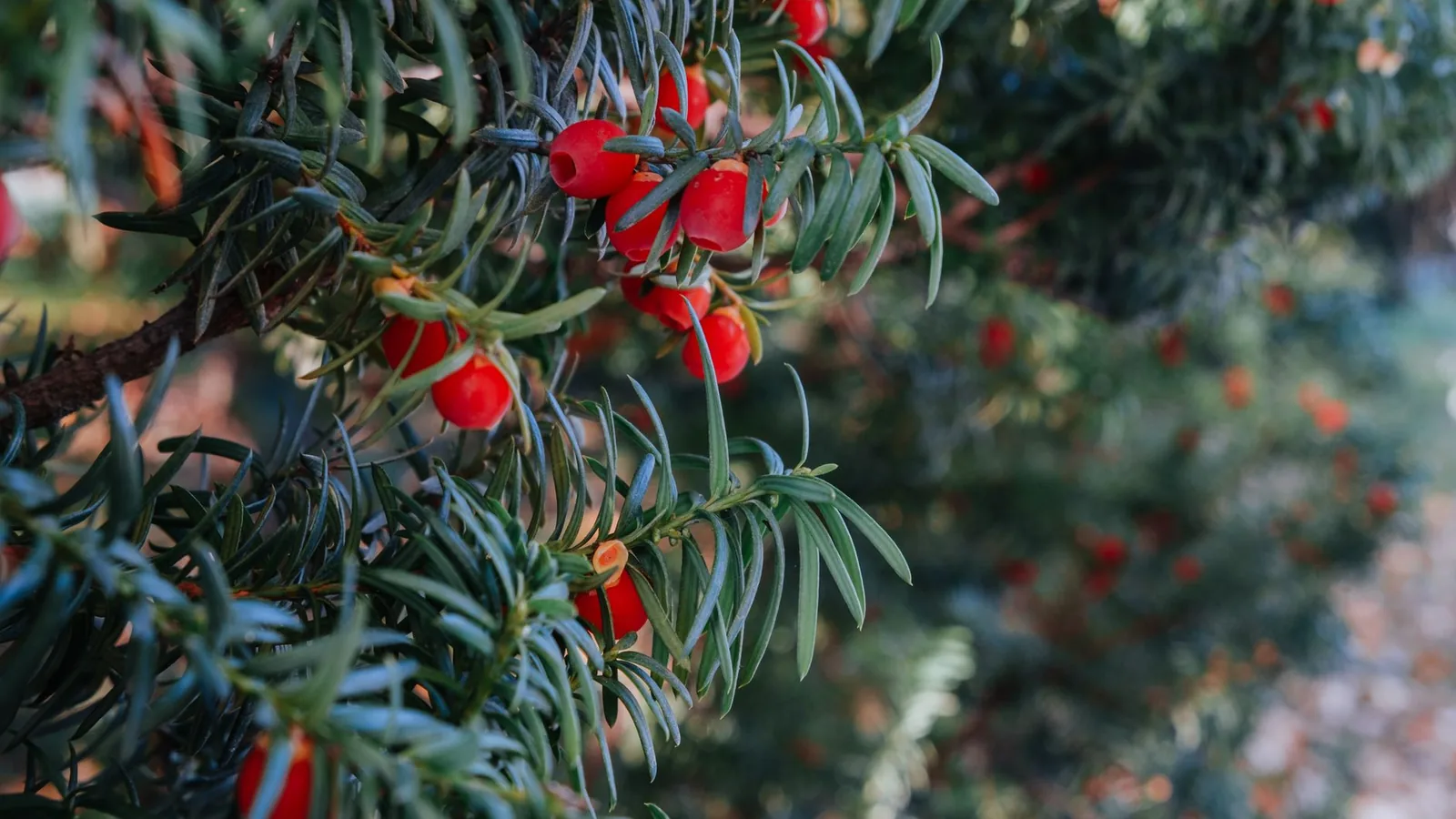
Planting and Compositions
Give it structure that stays: evergreens, bark, scent and form, placed where they are seen from the house. Late September is the time to plan before planting.
Read more