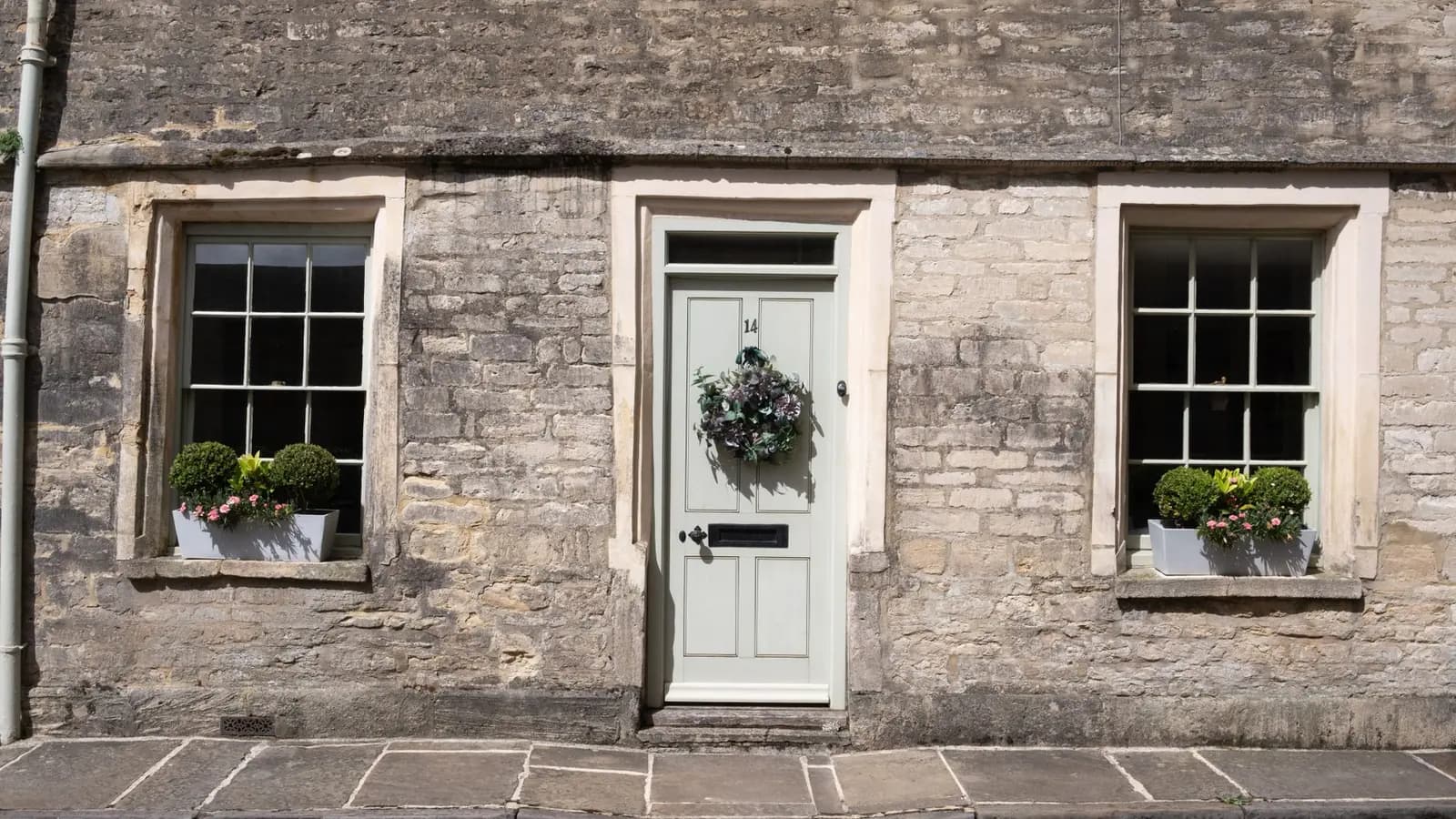
Bespoke Design
How do you make a front entrance look as good as the house?
Height, weight and permanence: clipped evergreens such as yew, box or bay in substantial containers, matched to the scale and the light of the doorway.
Read moreMaterials and Containers
By Artisan PlantersPublished 6 min read
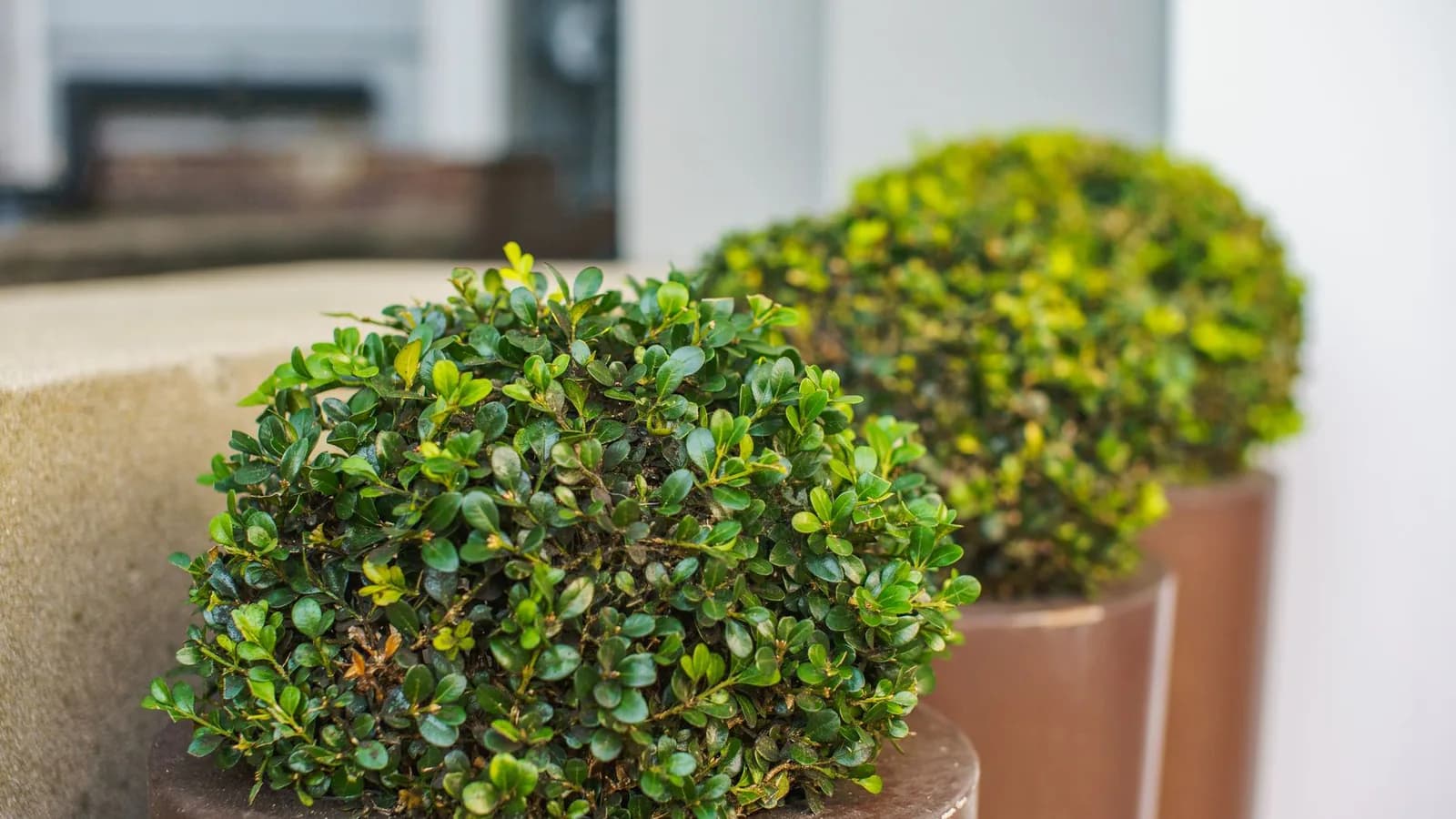
A container that cracks, flakes or loses its rim after one cold season has usually failed for one of two reasons. The material was never suited to sitting out through an English winter, or it was suited but stood wet. Often both are true at once. A porous pot standing flat on paving, with water trapped beneath it and a saucer still in place from August, will leave the plant inside sitting wet, whatever the pot is made of.
Most of this is decided before the first frost. Mid September is a sensible time to look at every container in the garden while the weather is still kind and the pots are easy to lift and inspect.
The RHS is direct about terracotta. Its guide to growing plants in containers says unglazed terracotta is porous and dries out more quickly than other materials, that terracotta is prone to cracking in winter, and that you should choose frost proof pots rather than pots described only as frost resistant. The same guide describes metal as frost proof and durable, though it heats up quickly in summer and gets very cold in winter.
Its advice on winter containers adds the most useful practical step: raise containers off the ground on pot feet or bricks, both to aid drainage and to help prevent the freezing conditions that cause pots to crack. It suggests choosing frost proof terracotta, or containers of plastic, fibreglass or wood, and wrapping containers in bubble wrap in severe weather to reduce damage to the roots.
The RHS guide to frost damage explains why autumn needs watching too. Plants harden themselves against cold over several days, which is why even hardy plants can be damaged by a sudden autumn frost.
The label on a pot tells you less than the material itself. This is how the RHS describes the main options, and what that means for a container left out all winter.
| Material | What the RHS says | What it means through winter |
|---|---|---|
| Unglazed terracotta | Porous, dries out quickly, prone to cracking in winter | Choose pots described as frost proof, raise them on feet and keep them from sitting wet |
| Metal | Frost proof and durable, gets very cold in winter | The roots inside feel the cold more than the container does, so wrap it in exposed places. Some metals may corrode in the long term |
| Plastic and fibreglass | Plastic is lighter than terracotta and can degrade in sun; both are listed among the choices for winter containers | Plastic can degrade in sun over time, and tall, narrow pots of any material are prone to blowing over, so place them in shelter |
| Wood | Listed among the choices for winter containers, though it rots over time | Lasts longer when lined or treated with preserver, and needs drainage like any other container |
One mistake is trusting a word on a label. Frost resistant is not the same as frost proof, and the RHS draws that line clearly. Placement is another. A container standing flat on paving drains less freely, which is why the RHS suggests raising it, and a saucer left under it holds water against the base all winter. The RHS guide to container maintenance says to remove saucers in winter.
Shape matters too. The RHS notes that urn shaped pots, wider in the centre than at the top, are best avoided for long term plantings, because the rootball is hard to remove when repotting. A container chosen for a specimen tree has to allow for the years ahead as well as the first season.
Most of it is simple and done once. Lift containers onto feet so water runs away freely. Take away saucers. Check that drainage holes are clear, since the RHS points out that water which is not draining often means a blocked hole or compost that has lost its structure.
Then think about the roots. The RHS says the main danger in winter is the compost freezing, which may kill plants. Its guide to trees in containers explains that in exposed gardens the roots near the edge of a container are vulnerable, and suggests wrapping the container with bubble wrap or hessian held in place with twine. Grouping containers close to a house wall helps protect roots from cold, and the RHS advises avoiding watering when frost is forecast.
Feeding changes now as well. The RHS notes that after late summer, feeding of container plants is usually suspended until mid spring, and its frost guide warns against nitrogen rich fertiliser late in the season, since it encourages soft growth that frost damages easily.
If a pot already has a crack running through its wall, protection will not mend it. It is better replaced before the tree inside depends on it through a wet winter. If the plant itself is tender, protecting the pot is only half the job, and it may need moving under cover. And if a planter is too large to lift onto feet once filled, its drainage needs thinking about when it is made, since it is hard to change once the planter is full.
Walk round every container this month and lift a corner of each. If water sits underneath, or the base is dark and damp, start there. A container worth keeping is chosen for how its material will behave in January as well as how it looks on the day it arrives. The gallery shows the materials we work with in their settings.
The studio gardens are in Linby, Nottinghamshire. Appointment only, by design. You can write to us through the enquiry page to talk about containers chosen with the winter in mind.
If something here has prompted a question about your own space, we would welcome the conversation.
Bespoke Design
Height, weight and permanence: clipped evergreens such as yew, box or bay in substantial containers, matched to the scale and the light of the doorway.
Read more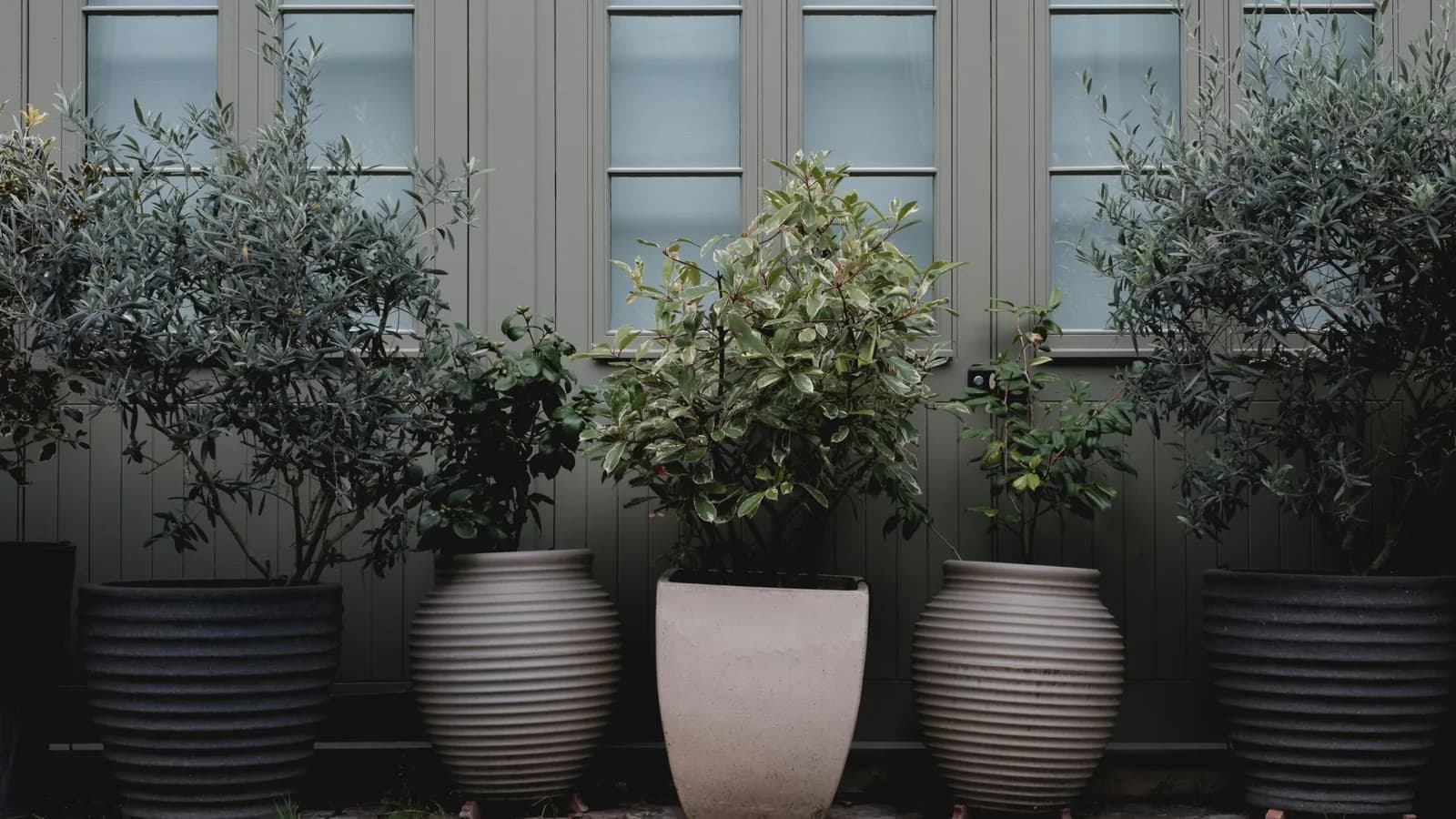
Planting and Compositions
A terrace looks unfinished when everything sits low. A specimen tree in a substantial container adds the height and structure that paving alone cannot give.
Read more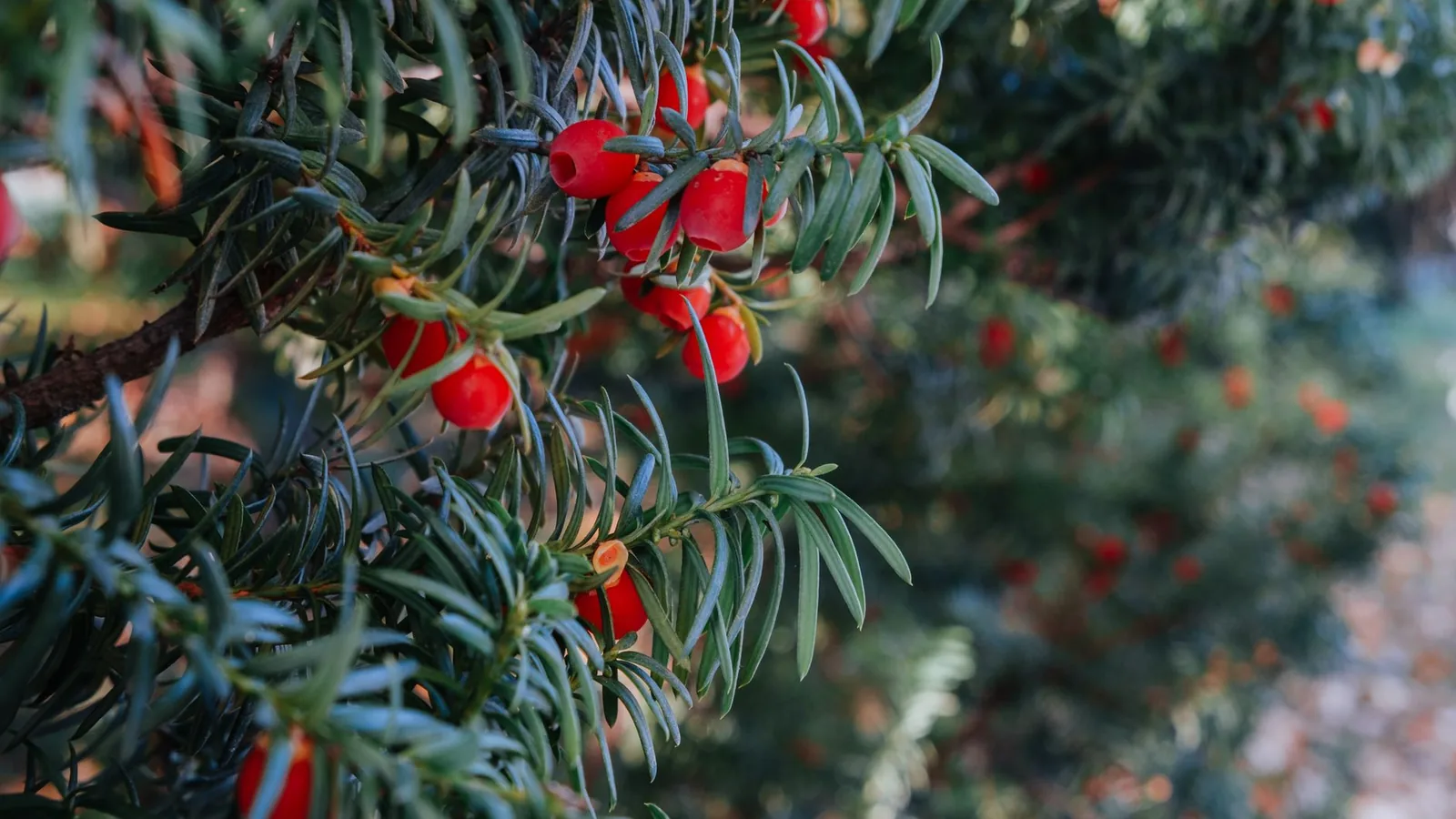
Planting and Compositions
Give it structure that stays: evergreens, bark, scent and form, placed where they are seen from the house. Late September is the time to plan before planting.
Read more